01 / WIND AND WATER
Understanding Qi
Qi is the invisible life energy that flows through everything, like wind moving through trees or water flowing down a river.
Feng Shui literally means Wind and Water. The old idea: good Qi moves gently with wind and gathers with water. When Qi flows well, people living or working there feel more balanced. If Qi is stuck or rushing too fast, people may feel stressed or drained.
02 / IDEAS IN PRACTICE
Core Simple Rules
1. Qi Should Flow Smoothly
Qi should flow smoothly, not race or get trapped.
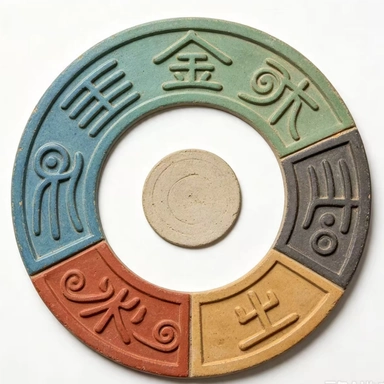
2. Balance The Five Elements (Wu Xing)
Wood, Fire, Earth, Metal, Water are used in Feng Shui too. Each element matches colors, shapes and materials.
3. Your Space Supports You
Your home and office shape how you feel, focus and rest.
03 / KEEPING PERSPECTIVE
Common Misunderstandings
Comfort, Not Magic
Feng Shui is not magic. It is originally about landscape planning, home layout and creating comfortable living environments.
No Instant Solutions
It cannot make you instantly rich or solve all your problems. It adjusts your surrounding energy to help you feel better.
04 / ROOTS OF THE PRACTICE
Where Feng Shui Comes From
Long ago, Chinese people used Feng Shui to pick good locations for villages, tombs and houses. They observed hills, rivers and wind direction. Later people used it for room arrangement, furniture placement and decor choices.